WHY READING
Reading changes what’s possible.
Reading matters at every age.
But the opportunity to choose a book, take it home, and make it your own isn’t equally available to everyone.
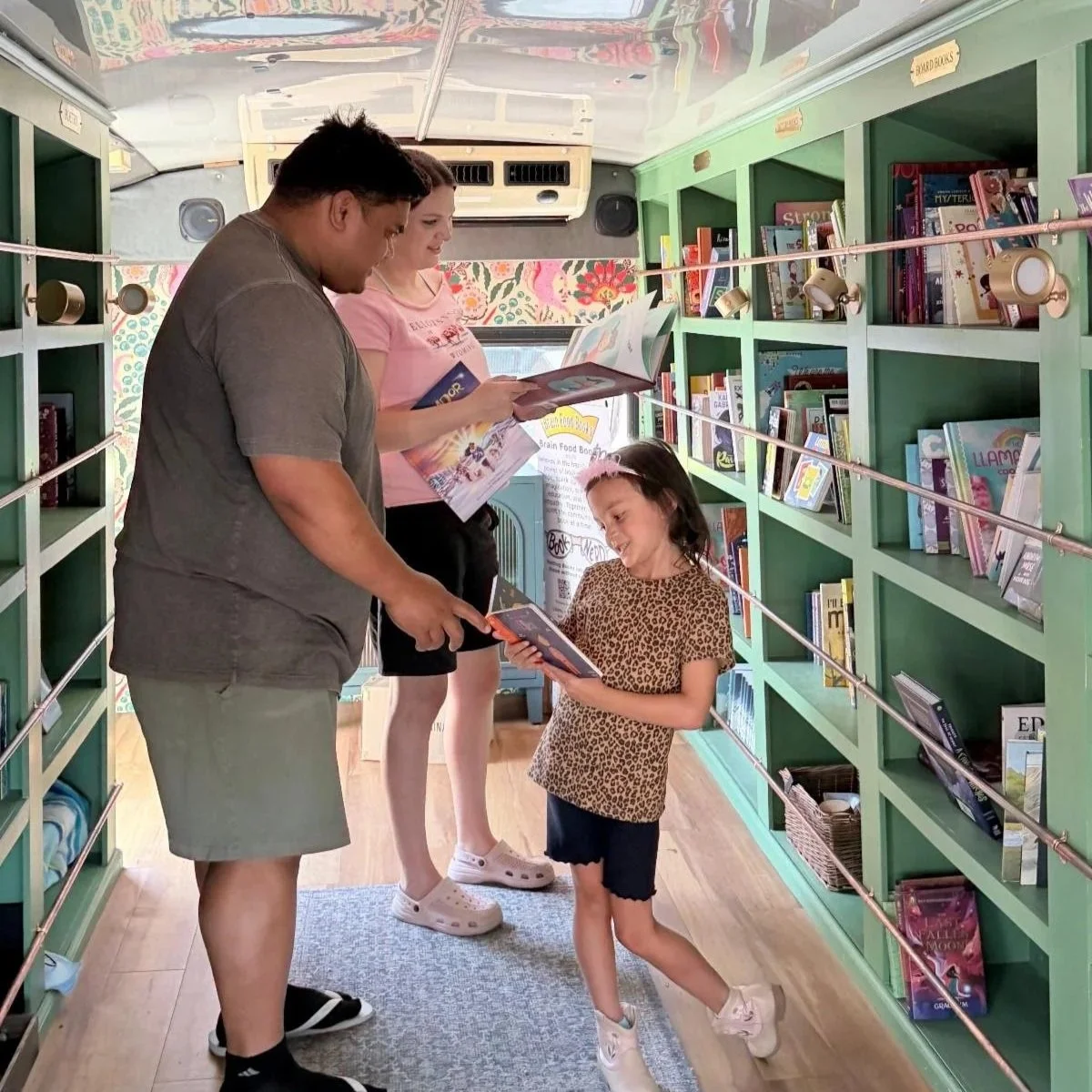
ACCESS. CHOICE. OWNERSHIP.
Research shows that access to books, the freedom to choose them, and having books of our own matter.
ACCESS ISN’T EQUAL
Access to books at home varies significantly with economic circumstances. Children in households earning under $50,000 have nearly half as many books at home as children in households earning $100,000 or more.
Read the research →
CHOICE MATTERS
When kids have a choice, they read. Scholastic’s research found that 89% of children say their favorite books are one they’ve chosen themselves, and 88% say they are more likely to finish a book they’ve chosen.
Read the research →
OWNERSHIP MATTERS
Having a book of your own is strongly associated with reading engagement. In a 2025 survey of nearly 115,000 children and young people, those with a book of their own were nearly four times as likely to enjoy reading and nearly four times as likely to read daily as those without one.
Read the research →
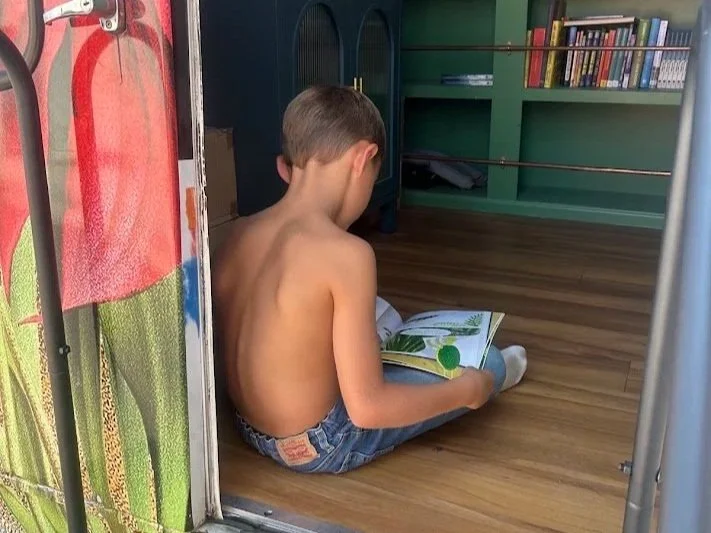
Read for the joy of it.
Reading doesn’t need an assignment, a test or a reason.
Sometimes wanting to read is reason enough.
READING MATTERS AT EVERY AGE.
The value of reading doesn’t end when school does. Research suggests that reading continues to support us through our lives.
WELL-BEING
Reading for enjoyment can give adults space from everyday stress while supporting intellectual stimulation, perspective, self-understanding, and connection.
Read the research →

ENGAGEMENT
In a 14-year study of adults 64 and older, people who read at least weekly were less likely to experience cognitive decline than those who read less frequently. The association appeared across education levels.
Read the research →
CONNECTION
Research on fiction has found a small positive effect on social cognition — our ability to understand other people’s thoughts, emotions and perspectives.
Read the research →
A book today, a better tomorrow.
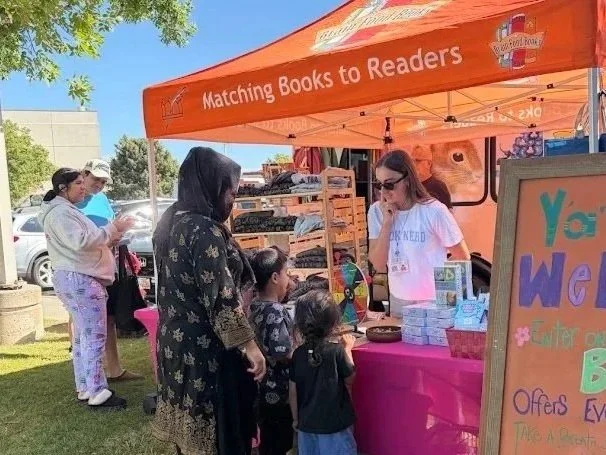
Books open doors to ideas, understanding, possibility and connection. What we read can shape how we think, how we see one another, and what comes next.
So, we put books in people’s hands.
CHOOSE THE BOOK YOU WANT. TAKE IT HOME. KEEP IT. MAKE IT YOUR OWN.